_edited.png)


Essential Summer Skin Care Tips for Indian Skin from a Dermatologist

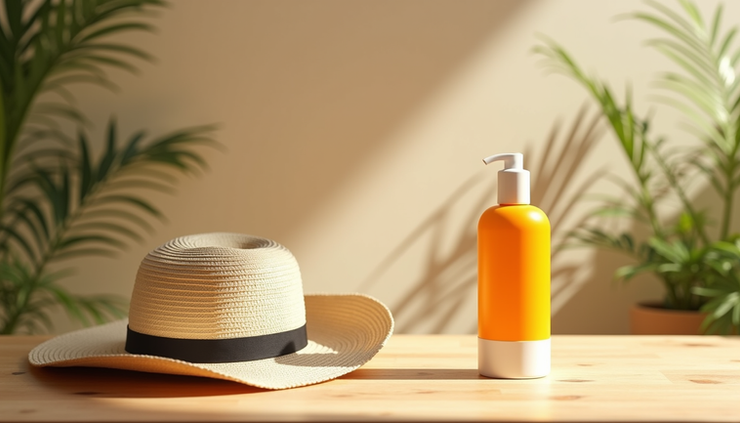
Summer in India brings intense heat, high humidity, and strong sun exposure. These conditions can challenge the health of your skin, especially if you have Indian skin, which has unique characteristics and needs. Taking care of your skin during the hot months requires a thoughtful approach to protect it from damage, maintain hydration, and prevent common issues like pigmentation, acne, and sunburn.
This post shares dermatologist-approved summer skin care tips tailored for Indian skin. You will learn practical dos and don’ts, the importance of hydration and sun protection, and which products work best for your skin type. Avoid common mistakes and keep your skin healthy and glowing all summer long.
Understanding Indian Skin and Summer Challenges
Indian skin typically has more melanin, which offers some natural protection against UV rays but also makes it prone to pigmentation and uneven skin tone when exposed to the sun. The hot and humid climate can increase oil production, leading to clogged pores and acne flare-ups.
Common summer skin problems for Indian skin include:
Sunburn and tanning
Hyperpigmentation and dark spots
Acne and breakouts
Dryness or dehydration despite oiliness
Heat rashes and irritation
Knowing these challenges helps you choose the right skin care routine and products to protect and nourish your skin.
Hydration Is Key for Healthy Skin
Hydration is the foundation of good skin care, especially in summer. Dehydrated skin looks dull, feels tight, and can trigger excess oil production as your skin tries to compensate.
How to keep your skin hydrated
Drink plenty of water throughout the day to hydrate your body and skin from within. Aim for at least 8 glasses daily.
Use a lightweight, non-comedogenic moisturizer that suits your skin type. Gel-based or water-based moisturizers work well for oily and combination skin. Creams with hyaluronic acid or glycerin help lock in moisture without clogging pores.
Avoid heavy creams or oils that can trap sweat and dirt, leading to breakouts.
Include hydrating serums with ingredients like aloe vera or niacinamide to soothe and strengthen the skin barrier.
Foods that support skin hydration
Eating water-rich fruits and vegetables such as watermelon, cucumber, oranges, and tomatoes can boost hydration and provide antioxidants that protect skin cells.
Sun Protection Is Non-Negotiable
Sun exposure is the biggest cause of skin damage in summer. It accelerates aging, causes pigmentation, and increases the risk of skin cancer. Indian skin, while more resistant to sunburn, is still vulnerable to UV damage.
Sunscreen tips for Indian skin
Use a broad-spectrum sunscreen with at least SPF 30 every day, even on cloudy days or when indoors near windows.
Choose sunscreens that are non-greasy, matte finish, and formulated for Indian skin tones to avoid white cast or heaviness.
Apply sunscreen 20 minutes before going outside and reapply every 2 hours, especially if you sweat or swim.
Don’t forget areas like ears, neck, and hands.
Combine sunscreen with physical barriers such as hats, sunglasses, and protective clothing.
Avoid tanning and sunburn
Limit direct sun exposure between 10 am and 4 pm when UV rays are strongest. Seek shade and use umbrellas if you need to be outdoors.
Choosing Suitable Products for Indian Skin Types
Indian skin varies from oily to dry, and sensitive to combination. Selecting the right products helps maintain balance and prevents common summer issues.
For oily and acne-prone skin
Use oil-free, non-comedogenic cleansers that remove excess oil without stripping moisture.
Incorporate salicylic acid or benzoyl peroxide treatments to control acne.
Avoid heavy creams; opt for light gels or lotions.
Use mattifying primers or powders to reduce shine during the day.
For dry and sensitive skin
Choose gentle, hydrating cleansers that do not disrupt the skin barrier.
Use moisturizers with ceramides, hyaluronic acid, and soothing ingredients like aloe vera.
Avoid harsh exfoliants and alcohol-based toners.
Apply sunscreen formulated for sensitive skin to prevent irritation.
For combination skin
Use balancing cleansers that cleanse oily zones without drying dry areas.
Apply lighter moisturizers on oily parts and richer creams on dry patches.
Use targeted treatments for acne-prone zones if needed.
Common Mistakes to Avoid in Summer Skin Care
Many people unknowingly harm their skin by following wrong practices during summer. Avoid these mistakes to keep your skin healthy:
Skipping sunscreen because you think your skin is naturally protected.
Using harsh scrubs or over-exfoliating, which damages the skin barrier.
Applying heavy creams that clog pores and cause breakouts.
Not cleansing properly to remove sweat, dirt, and sunscreen residue.
Ignoring hydration and relying only on topical products.
Popping pimples or picking at skin, which leads to scarring and pigmentation.
Practical Daily Skin Care Routine for Summer
Here is a simple, dermatologist-recommended routine for Indian skin during summer:
Cleanse twice daily with a gentle, suitable cleanser.
Tone with an alcohol-free toner if needed to balance pH.
Apply a hydrating serum with niacinamide or hyaluronic acid.
Moisturize with a lightweight, non-comedogenic product.
Apply broad-spectrum sunscreen with SPF 30 or higher every morning and reapply as needed.
Remove makeup and sunscreen thoroughly at night.
Adjust this routine based on your skin type and concerns.
Additional Tips for Summer Skin Care
Use face mists with rose water or aloe vera to refresh and hydrate skin during the day.
Avoid long, hot showers that dry out skin. Use lukewarm water instead.
Wear breathable, cotton clothing to reduce sweat and irritation.
Manage stress and get enough sleep to support skin repair.
Consult a dermatologist if you experience persistent acne, pigmentation, or irritation.


Comments